Panch Badri of Himalayas
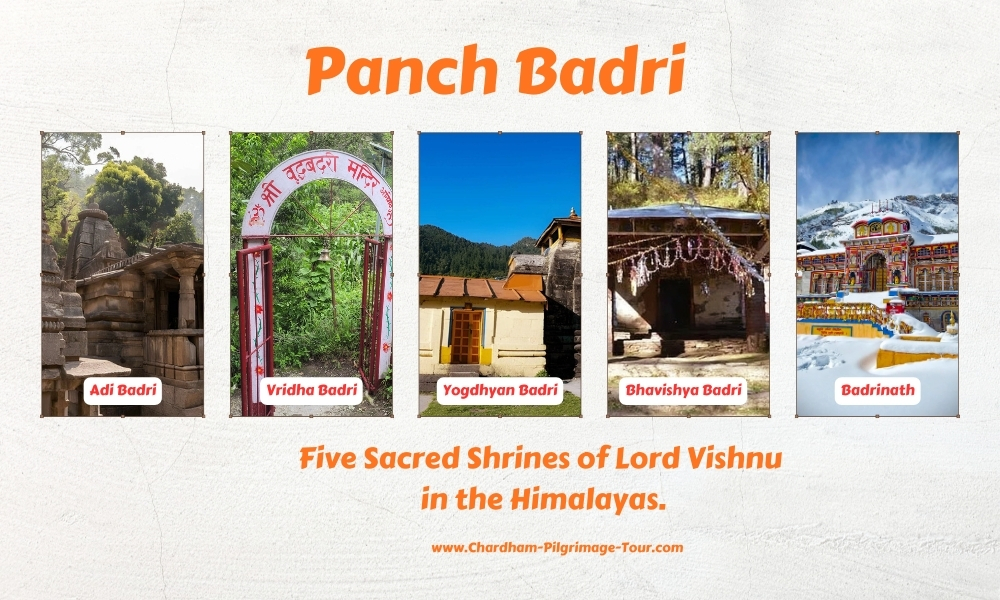
Panch Badri Yatra - Complete Travel Guide to the Five Sacred Shrines of Lord Vishnu in the Himalayas.
What is Panch Badri?
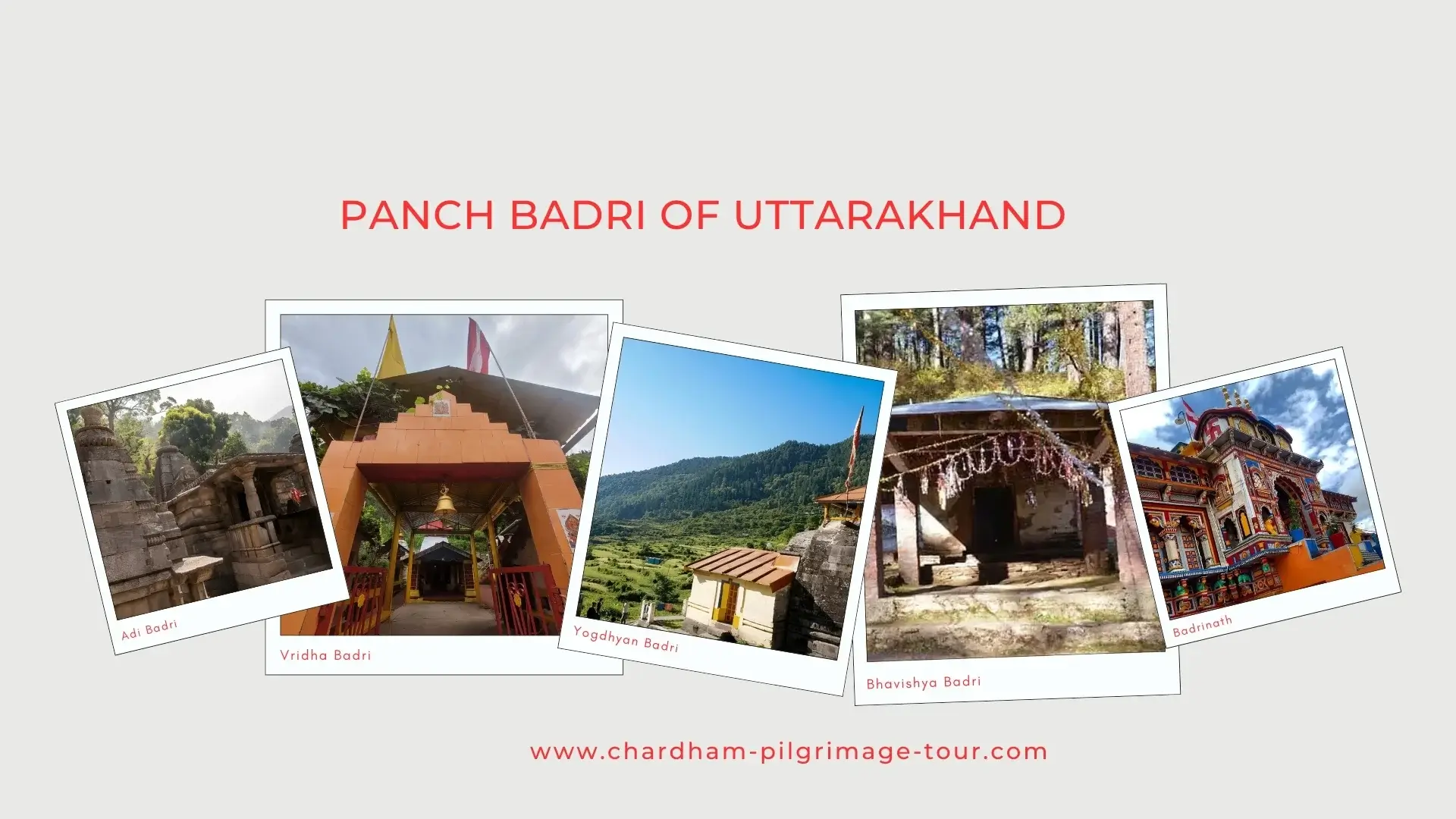
Hidden within the upper reaches of the Garhwal Himalayas in Uttarakhand lies one of Hinduism’s most spiritually layered pilgrimage circuits: Panch Badri. The term means “Five Badris” and refers to five sacred temples dedicated to Lord Vishnu, each representing a different manifestation of the divine across time, mythology, and geography.
Collectively known as the Panch Badri Yatra, this pilgrimage circuit includes:
- Adi Badri
- Vridha (Vriddha) Badri
- Yogdhyan Badri
- Bhavishya Badri
- Badrinath (Vishaal Badri)
While most pilgrims visit Badrinath Temple as part of the Chardham Yatra, fewer undertake the complete Panch Badri pilgrimage circuit. Those who do often describe it as a deeper, quieter, and more immersive Himalayan spiritual journey.
Unlike a single temple visit, Panch Badri unfolds gradually, from lower-altitude river valleys to high Himalayan sanctuaries above 3,000 metres. It is both a spiritual ascent and a physical one.
Panch Badri Yatra - At a Glance
| Aspect | Details |
|---|---|
| Location | Chamoli District, Uttarakhand |
| Number of Temples | 5 |
| Highest Shrine | Badrinath (3,133 m) |
| Trek Required | Yes (Bhavishya Badri - approx. 6 km) |
| Ideal Duration | 7-10 days |
| Best Time | May-June & September-October |
| Open Year-Round | Only Adi Badri & Vridha Badri |
For travellers planning a Panch Badri tour, understanding altitude variation and road conditions is essential before starting the circuit.
The Five Sacred Shrines of Panch Badri
- Badrinath
- Yogdhyan Badri
- Bhavishya Badri
- Vridha Badri
- Adi Badri
1. Badrinath - Vishaal Badri (The Supreme Shrine)
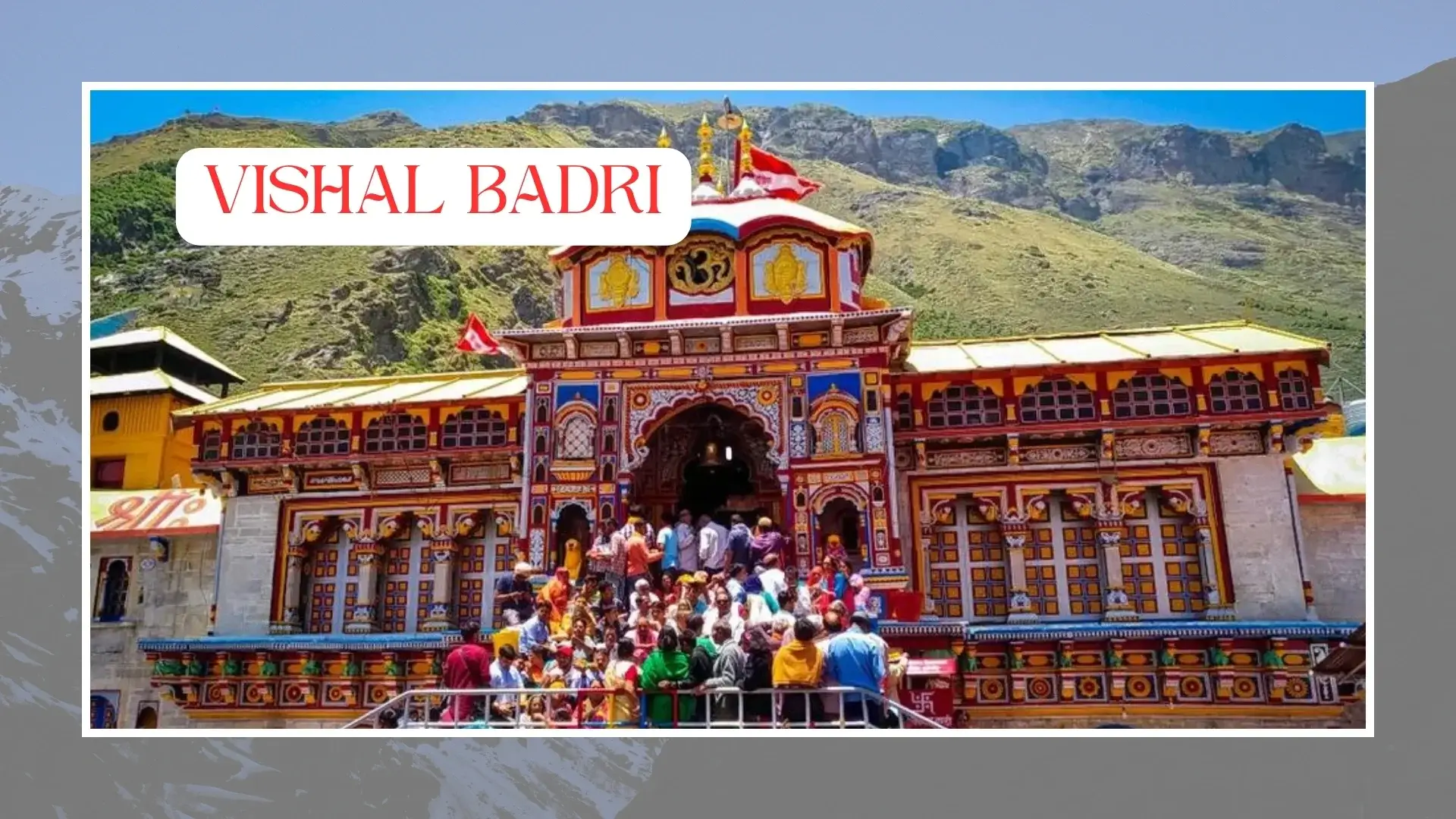
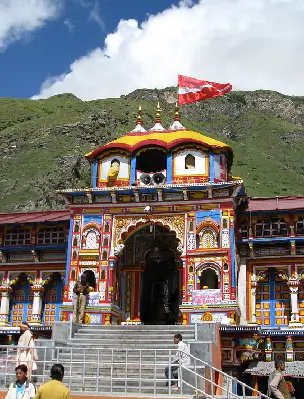
Situated at 3,133 metres along the Alaknanda River, Badrinath is the most prominent and revered shrine in the Panch Badri circuit. It is also one of the four dhams of the Char Dham Yatra. Established in its current form by Adi Shankaracharya, the temple houses a black stone idol of Lord Vishnu in a meditative posture. This is the spiritual climax of the Panch Badri pilgrimage.
- Open : April/May (Akshaya Tritiya) to October/November
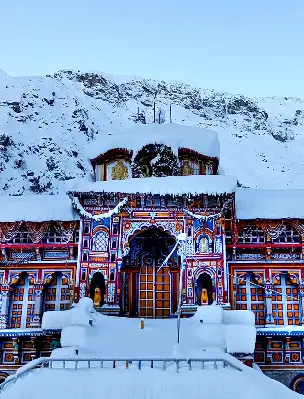
- Closed During : Winter (Idol moved to Joshimath)
Insight :
- You must first take a holy dip in the Tapt Kund (natural sulphur hot springs). The ritual significance is purification, but the tactical benefit is that the sulphur-rich 45°C water acts as a natural muscle relaxant, which is essential for your body to handle the high-altitude chill and the long-standing wait in the darshan queue.
- Set your alarm for 5:15 AM. Look at the Neelkanth Peak (known as the 'Queen of Garhwal'), where, for a window of exactly 10 minutes at sunrise, the snowy peak turns a vivid, translucent pink, a sight that locals call the "First Offering of Surya to Vishnu".
2. Yogdhyan Badri - The Meditating Vishnu
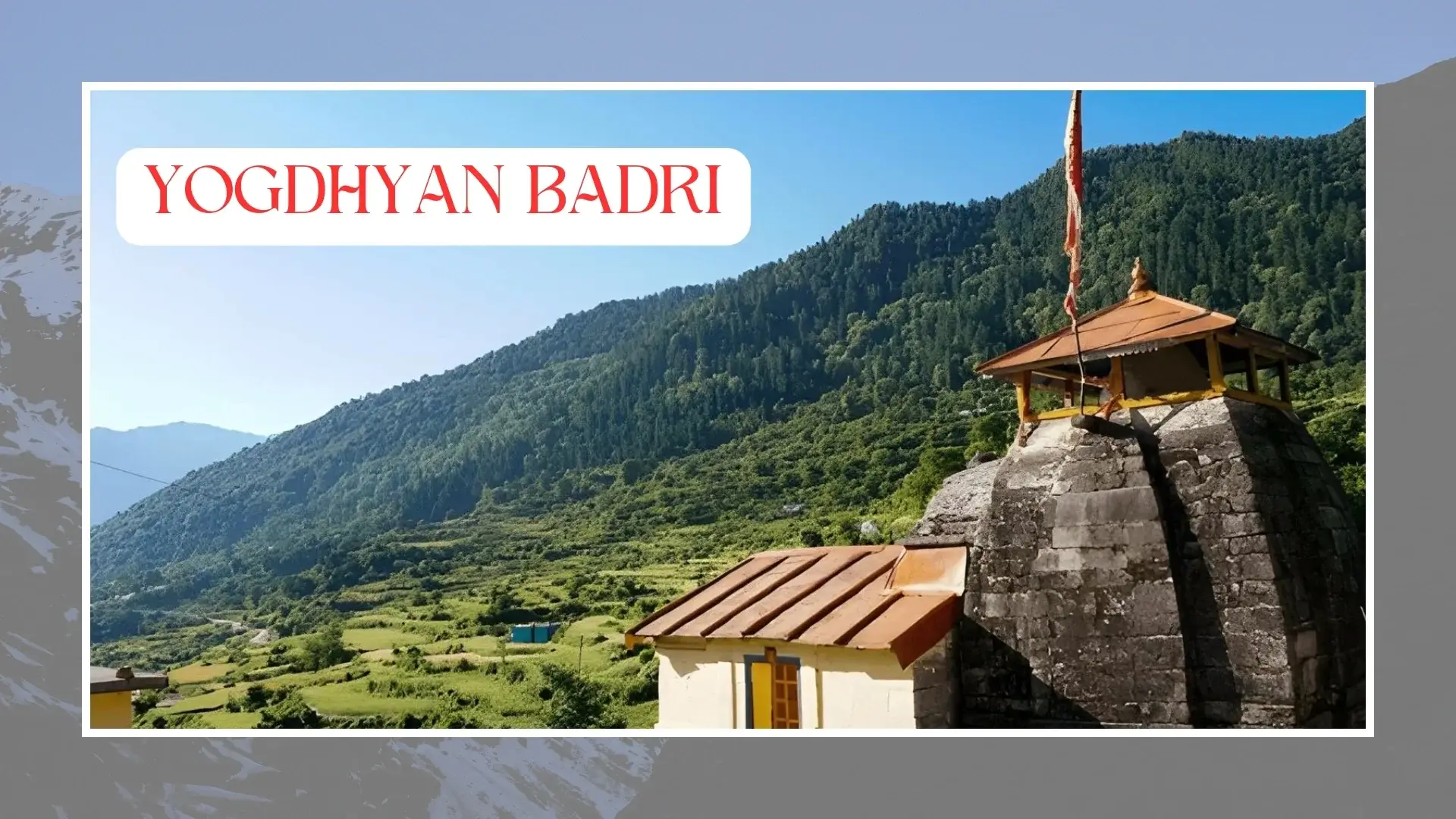
Located in Pandukeshwar, around 24 km from Joshimath, Yogdhyan Badri depicts Lord Vishnu in deep meditation. According to the Mahabharata, the Pandavas are believed to have meditated here. The idol’s yogic posture distinguishes this shrine from the others. It is often included in Panch Badri tour itineraries as a peaceful and less crowded stop.
- Altitude : 1,920 metres
- Open : Year-round
- Access : Motorable road
3. Bhavishya Badri - The Shrine of the Future
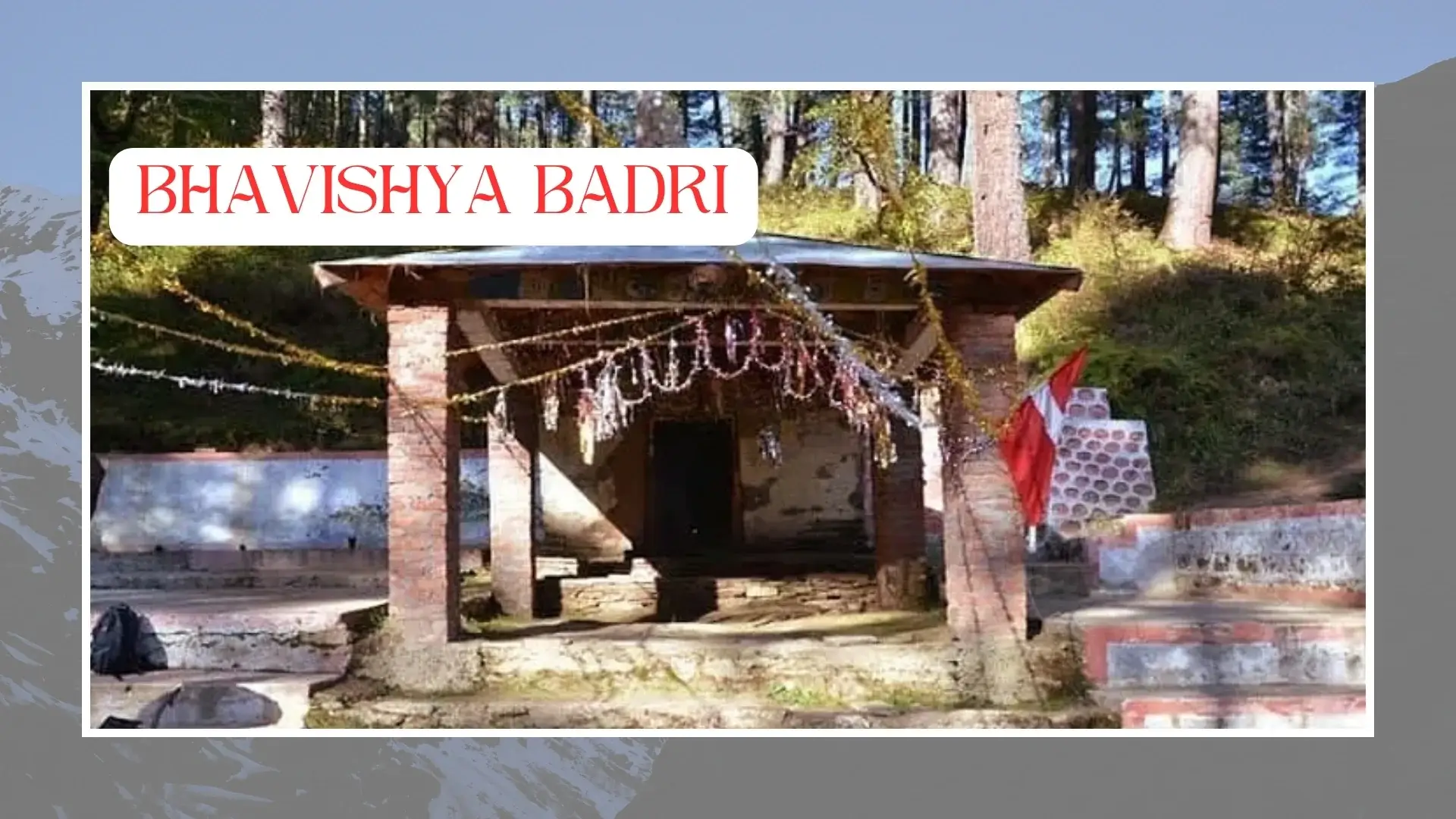
Bhavishya Badri translates to “The Badri of the Future". According to prophecy, when Badrinath becomes inaccessible, this shrine will emerge as the primary seat of Lord Vishnu. The Swayambhu (self-manifested) rock formation here is believed to be getting clearer every year as Badrinath’s "future" approaches. This is the most adventurous and least visited temple in the Panch Badri Yatra.
Located near Subain village, it requires :
- 6 km trek from Saldhaar
- Moderate walking difficulty
- Dense forest trail
- Altitude : Approx. 2,744 metres
- Open : May to October (Weather dependent)
Insight : The 6 km trek from Saldhaar is deceptively steep in the first 2 km. If you are visiting during the monsoon months (September), carry a salt bag; the oak forest stretch is known for leeches during high humidity.
4. Vridha Badri - The Ancient Form
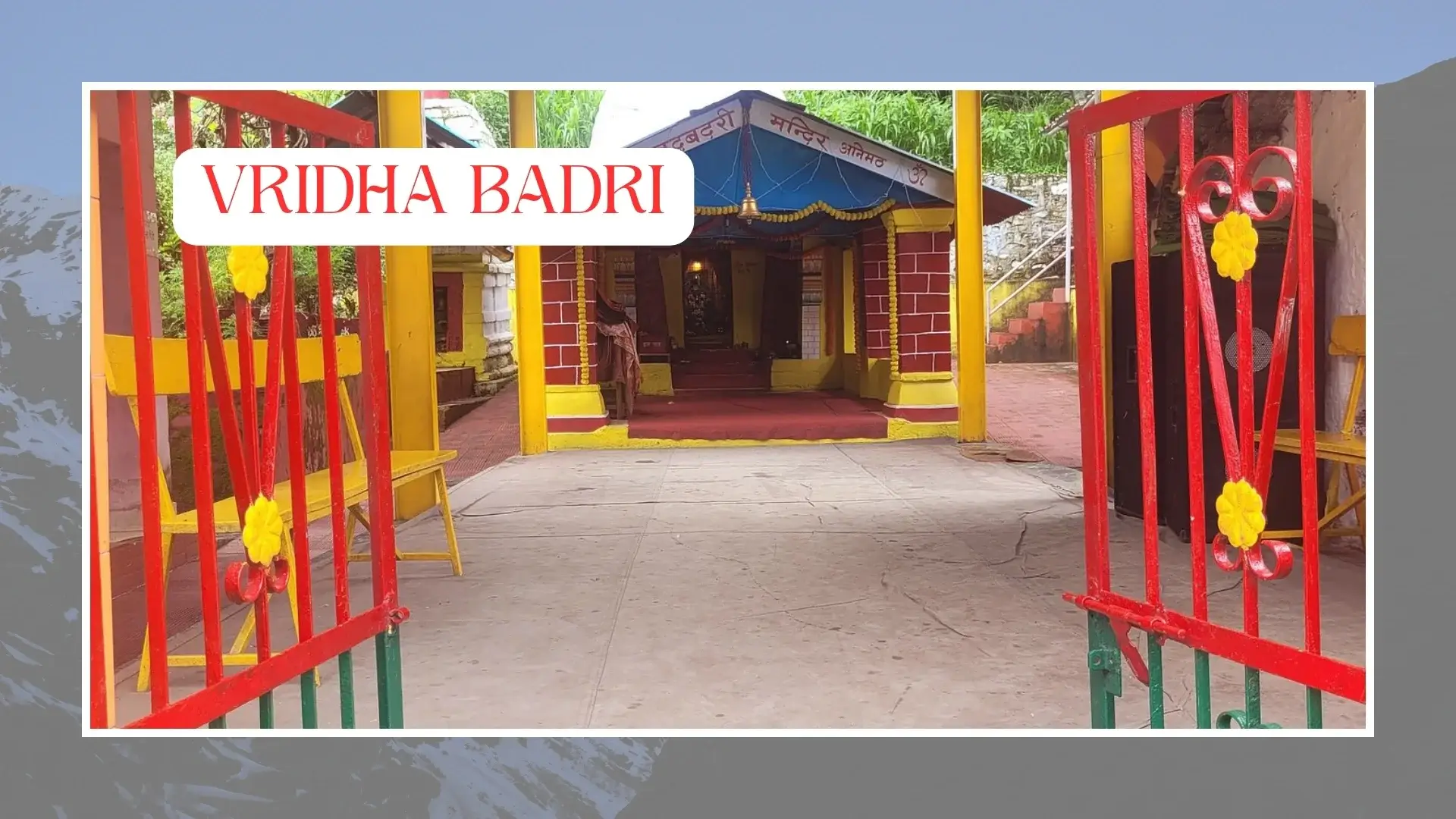
Situated in Animath, about 7 km from Joshimath, Vridha Badri represents Lord Vishnu in an aged form. Legend says this was the original site where Vishnu appeared before moving to Badrinath. It is often included in day trips from Joshimath.
- Altitude : Approx. 1,380 metres
- Open : Year-round
- Access : Roadside temple
Insight : This is the only temple in the circuit that remains open throughout the year. If you are travelling in the "off-season" (Jan-Feb), this is your only access to the Badri energy. The idol of Lord Vishnu is depicted as an old man; look closely at the facial features; the craftsmanship successfully conveys "age" in black stone.
5. Adi Badri - The Primordial Shrine
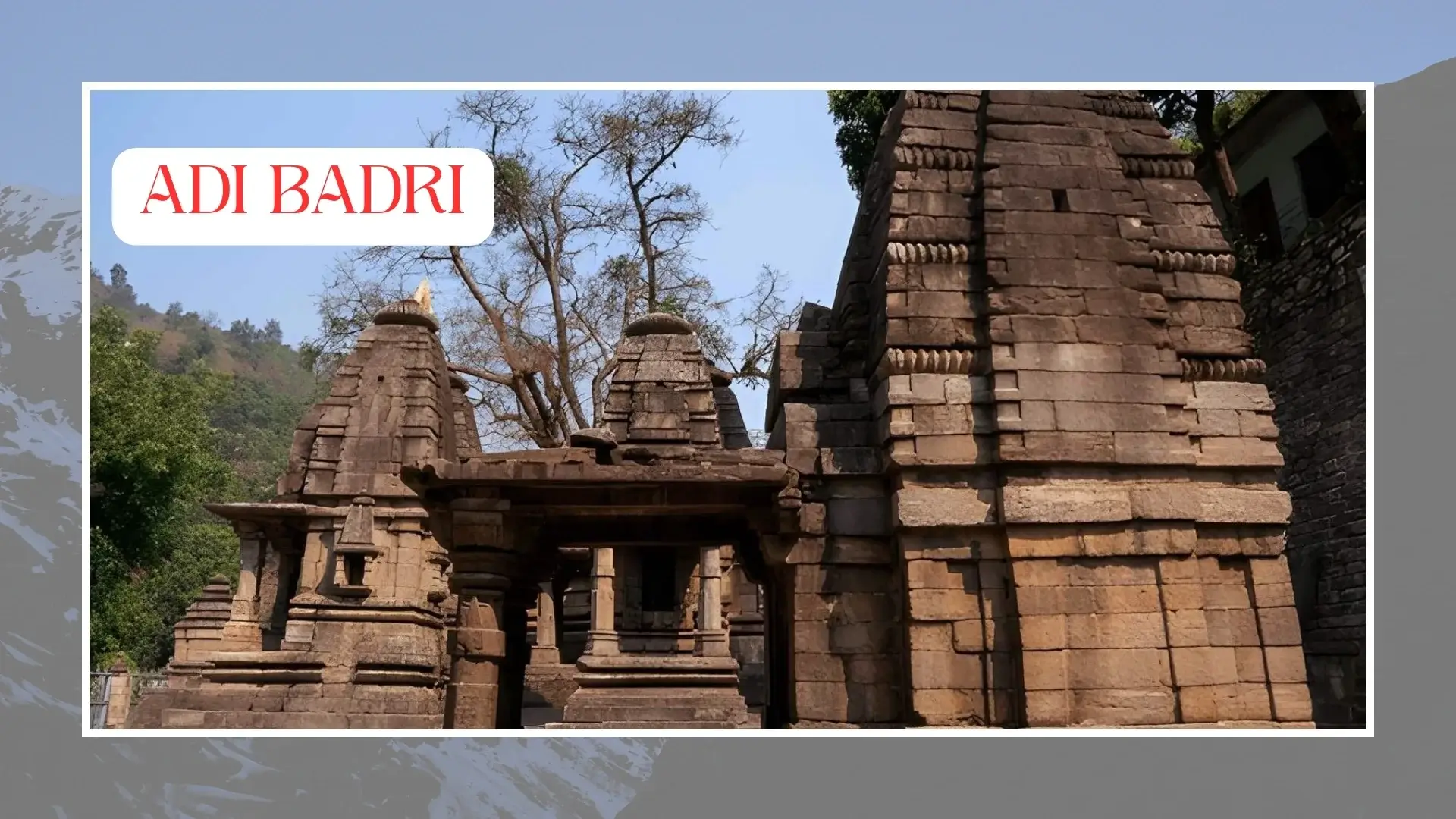
Located near Karnaprayag, Adi Badri is a complex of 14 temples dating back to the Gupta period. It is the most accessible shrine and often the starting point of the Panch Badri pilgrimage circuit.
- Altitude : Approx. 1,000 metres
- Open : Year-round
- Ideal for : Winter pilgrimage
Insight : Most pilgrims visit only the main Narayan temple. Spend time at the smaller Goddess Lakshmi temple within the same complex. The 4th-century stone carvings here are the most pristine examples of Gupta-period art in the entire circuit. The golden crown ceremony during the morning aarti, which highlights the intricate craftsmanship of the black stone idol.
Practical 2026 Logistics
- Mandatory Registration : Even for this "off-beat" circuit, 2026 regulations require a biometric registration if you are crossing the Joshimath barrier.
- Road Conditions : The stretch between Helang and Urgam (for Dhyan Badri) is prone to small rockfalls during late September. Check the local BRO (Border Roads Organization) updates at the Pipalkoti checkpoint before heading up.
Panch Badri Temples - Comparison Table
| Temple | Altitude | Open Season | Trek Required | Base Town | Unique Feature |
|---|---|---|---|---|---|
| Adi Badri | ~1,000 m | Year-round | No | Karnaprayag | 14 temple complex |
| Vridha Badri | ~1,380 m | Year-round | No | Joshimath | Elderly Vishnu form |
| Yogdhyan Badri | ~1,920 m | Year-round | No | Pandukeshwar | Meditative posture |
| Bhavishya Badri | ~2,774 m | May-Oct | Yes (6 km) | Saldhaar | Future prophecy shrine |
| Badrinath | ~3,133 m | May-Oct | No | Badrinath | Char Dham temple |
Panch Badri Yatra 2026 Route & Itinerary
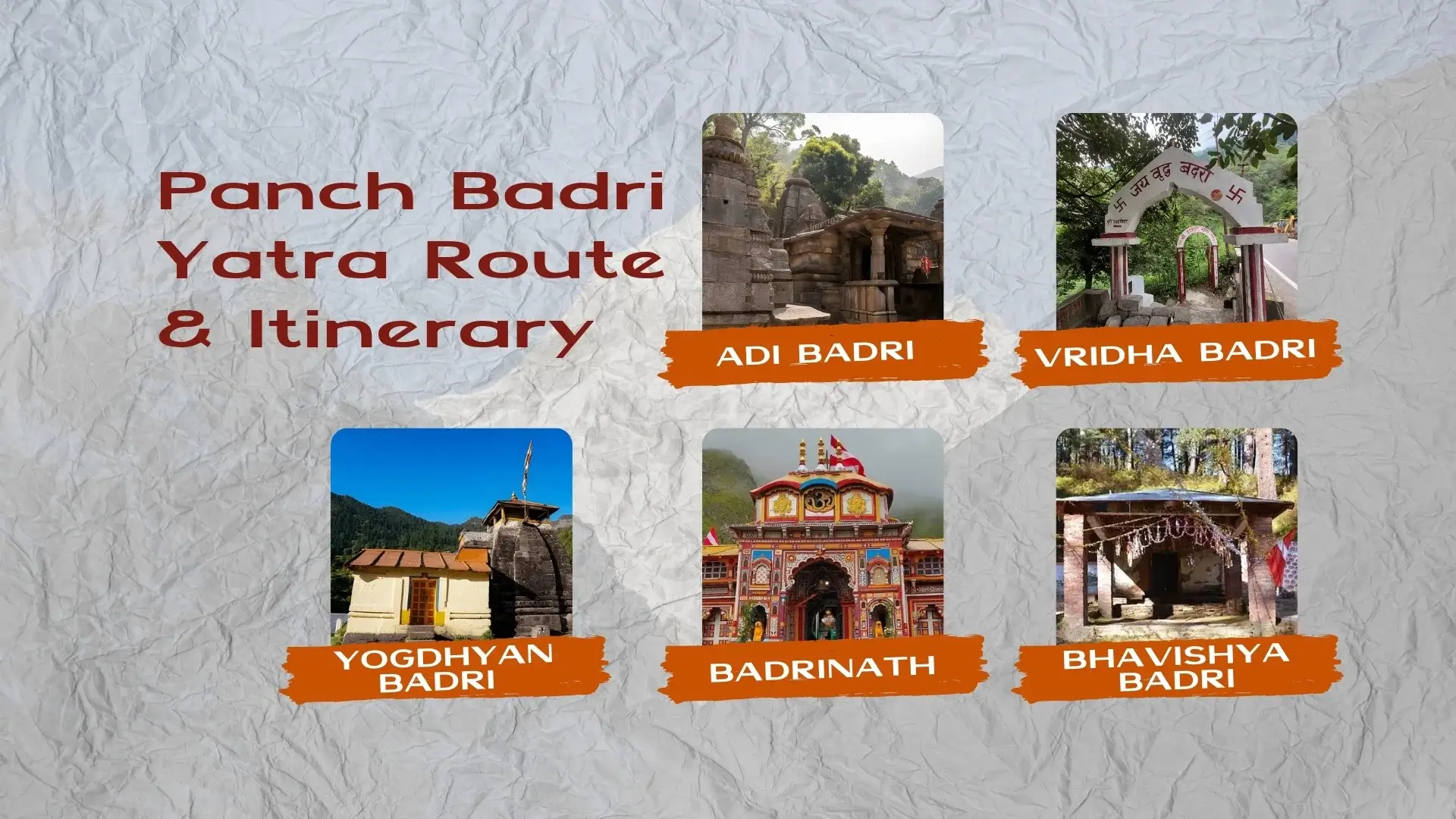
Recommended Order : Adi Badri → Vridha Badri → Yogdhyan Badri → Badrinath → Bhavishya Badri
While most travellers make the mistake of trying to visit these in random order, the traditional spiritual sequence begins at Adi Badri. As the primordial (Adi) seat where Vishnu resided before the Kali Yuga, it is the 'spiritual entrance' to the Badri Kshetra. By starting here and moving upward to Badrinath and finally the 'future' seat at Bhavishya Badri, you follow the chronological and spiritual evolution of the deity himself.
Day 01 : Haridwar/Rishikesh to Rudraprayag
Begin your journey from Haridwar or Rishikesh, driving approximately 165 km (8-9 hours) toward the mountains.
Day 02 : Rudraprayag to Adi Badri
Drive to the Adi Badri temple complex (approx. 1,100 m), located 17-19 km from Karnaprayag.
Day 03 : Adi Badri to Joshimath (via Vridha Badri)
Drive toward Joshimath (approx. 1,875 m), stopping en route at Vridha Badri in Animath village (1,380 m).
Day 04 : Joshimath to Yogdhyan Badri (Pandukeshwar)
Travel to Yogdhyan Badri in Pandukeshwar (approx. 1,920 m). This is where King Pandu, father of the Pandavas, is said to have meditated to attain salvation.
Day 05 : Pandukeshwar to Badrinath (Vishaal Badri)
Arrive at the supreme shrine of Badrinath (3,133 m). Take a holy dip in the Tapt Kund (hot sulphur springs) before your main darshan; the natural warmth relaxes muscles after days of mountain travel.
Day 06 : Badrinath to Joshimath (Rest & Recovery)
Descend back to the lower altitude of Joshimath (approx. 1,875 m). Use this day to rest your legs and rehydrate. Sleeping at a lower elevation after being at Badrinath helps recharge your system for the final strenuous trek. Attend the evening aarti at the Narsingh Temple in Joshimath, which serves as the winter seat of Lord Badrinath.
Day 07 : Joshimath to Bhavishya Badri & Back
Drive to Saldhar or Subhai village (12 km) and begin the 6 km trek to Bhavishya Badri (2,744 m). Your lungs and legs are now fully conditioned for this trek through dense forest. This is believed to be the future seat of Badrinath when the current route becomes inaccessible. Return to Joshimath for your final mountain stay.
Day 08 : Joshimath to Rishikesh/Haridwar
A long return drive (approx. 270-290 km) back to Haridwar or Rishikesh.
Travellers often combine this with :
- Hemkund Sahib
- Valley of Flowers National Park
- Panch Prayag confluences
Note : Do not rush the transition from Adi Badri to Bhavishya Badri. If you are over 50 or have respiratory sensitivities, stay one night in Joshimath before attempting the Bhavishya Badri trek. This "buffer night" is the secret to completing the circuit without needing supplemental oxygen or medical aid.
Panch Badri Distance Chart
| Route | Approx Distance |
|---|---|
| Rishikesh → Adi Badri | 190 km |
| Karnaprayag → Joshimath | 75 km |
| Joshimath → Badrinath | 45 km |
| Joshimath → Saldhaar | 15 km |
| Saldhaar → Bhavishya Badri (trek) | 6 km |
Note : Mountain driving time depends on weather and traffic.
Best Time for Panch Badri Yatra
Summer (May-June)
- All temples accessible
- Pleasant weather
- Peak pilgrimage season
Monsoon (July-September)
- Landslide risk
- Not ideal for first-time visitors
Autumn (September-October)
- Clear skies
- Fewer crowds
- Excellent photography conditions
Winter (November-April)
- Only Adi Badri & Vridha Badri accessible
How to Reach Panch Badri?
By Air : Nearest airport : Jolly Grant Airport
By Train : Nearest stations:
- Haridwar
- Rishikesh
By Road : Primary route : Rishikesh-Badrinath Highway
Hiring experienced drivers familiar with mountain terrain is strongly recommended.
Panch Badri vs Chardham - What’s the Difference?
| Aspect | Panch Badri | Chardham |
|---|---|---|
| Focus | Vishnu temples only | 4 major Himalayan shrines |
| Trek Required | Minimal (except Bhavishya Badri) | Significant (Kedarnath, Yamunotri) |
| Crowd Level | Moderate | Very high |
| Duration | 7-10 days | 10-14 days |
| Spiritual Depth | Niche Vishnu circuit | Broad pilgrimage |
Insight : Many pilgrims combine both for a complete Uttarakhand spiritual circuit.
Essential Travel Tips for Panch Badri Yatra 2026
- Mandatory Requirement : Even if you are only visiting the lower Badris (Adi and Vridha), you must check the Uttarakhand Tourism Tourist Care portal. During peak season, 'Green Cards' for vehicles and biometric registration for pilgrims are enforced at the Rishikesh and Joshimath checkpoints to manage crowd density.
- Acclimatise gradually before ascending above 3,000 metres
- Carry layered clothing year-round
- Start road journeys early
- Book accommodation in Joshimath and Badrinath in advance
- Respect temple customs and photography rules
- Keep emergency contacts saved
Note : Travellers frequently underestimate Himalayan road fatigue. Proper pacing transforms the experience.
Why Include Panch Badri in Your Uttarakhand Spiritual Journey?
While the Chardham Yatra draws the largest crowds, the Panch Badri pilgrimage circuit offers :
- Greater spiritual intimacy
- Lesser-known temples
- Scenic Himalayan immersion
- Flexible itinerary design
For pilgrims seeking a structured and seamless experience, curated Panch Badri tour packages help optimise route order, altitude pacing, and accommodation logistics, particularly for families and senior travellers.
The Panch Badri Yatra is not simply a temple circuit. It is a layered Himalayan pilgrimage that moves from ancient river valleys to high-altitude sanctuaries, blending mythology, architecture, and raw mountain energy into one of Uttarakhand’s most profound spiritual journeys.
Popular Tours
Book The Tour
Char Dham Temples
Hotels in Chardham Circuit
Char Dham Tour Packages
- Char Dham Yatra From Delhi
- Chardham Yatra From Mumbai
- Char Dham Yatra From Ahmedabad
- Chardham Tour with Hemkund Sahib
- Chardham Yatra by Helicopter
- Char Dham Yatra with Vaishno Devi & Amritsar
- Chardham Tour with Gomukh Trek
- Char Dham Packages From Bangalore
- Chardham Yatra From Chandigarh
- Char Dham Yatra with Auli
- Char Dham Yatra From Hyderabad
- Char Dham Yatra with Vaishno Devi, Jwalaji & Amritsar
- Char Dham Yatra From Chennai
- Chardham Packages From Bhopal
- Char Dham Yatra by Luxury Vehicle
- Char Dham Yatra with Satopanth Lake
- Char Dham Yatra with Panch Badri Tour
- Char Dham with Valley of Flowers
- Chardham Yatra with Mahavatar Baba and Nainital Tour
Do Dham Yatra
- Badrinath Kedarnath Yatra From Haridwar
- Badrinath Kedarnath Yatra
- Gangotri Yamunotri Yatra
- Gangotri Yamunotri Yatra from Haridwar
- Kedarnath Badrinath Yatra with Hemkund Sahib
- Kedarnath Badrinath Yatra with Valley of Flowers
- Kedarnath, Badrinathdham With Lake Of Nainital
- Yamunotri, Gangotri with Lake of Nainital
Ek Dham Yatra
- Badrinath Pilgrimage Tour
- Kedarnath Pilgrimage Tour
- Gangotri Pilgrimage Tour
- Yamunotri Pilgrimage Tour
- Kedarnath Yatra By Helicopter
- Badrinath Dham Yatra from Haridwar
- Badrinath Yatra with Hemkund Sahib
- Badrinath Yatra with Valley of Flowers
- Gangotri Dham Yatra with Gaumukh
- Kedarnath Dham Vasuki Tal Trek
