Omkareshwar Temple Ukhimath – Complete Travel Guide
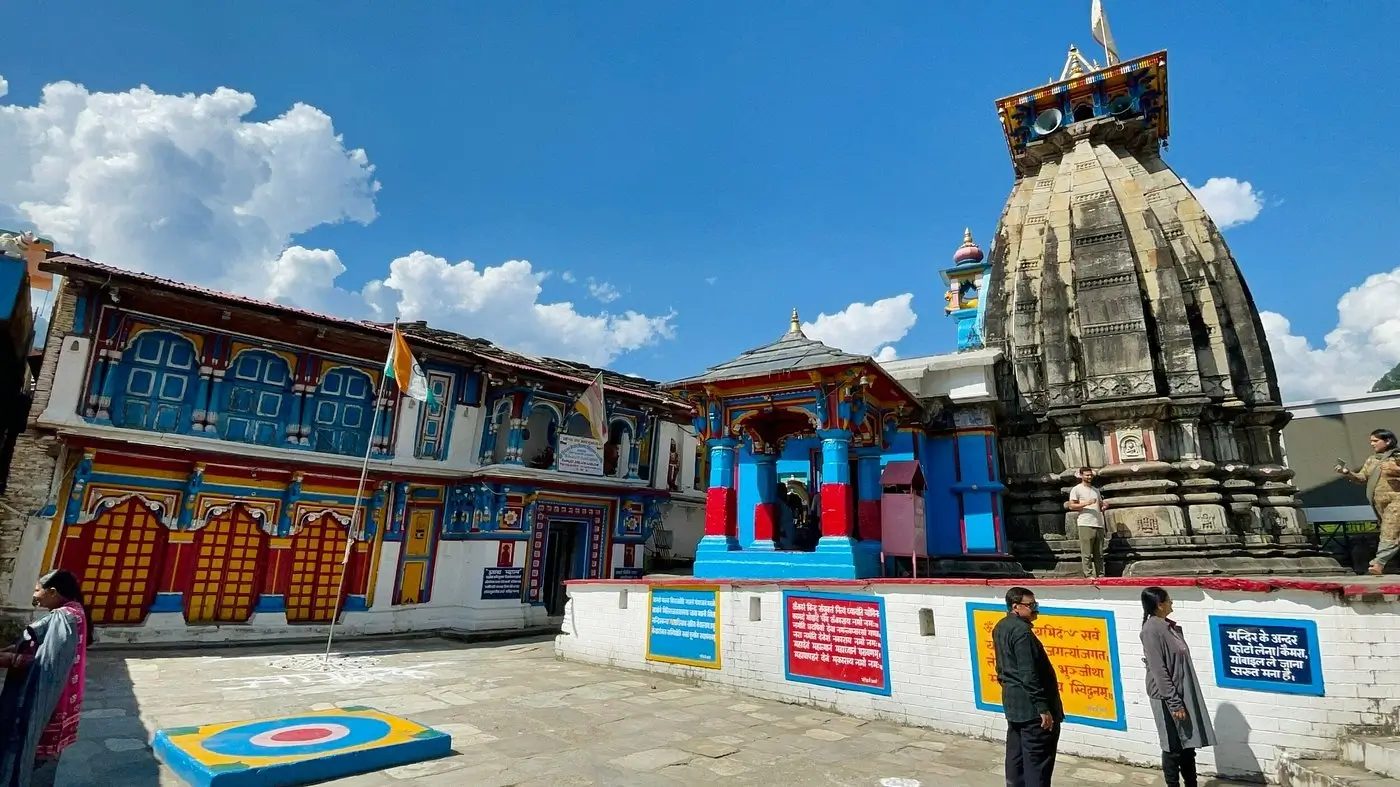
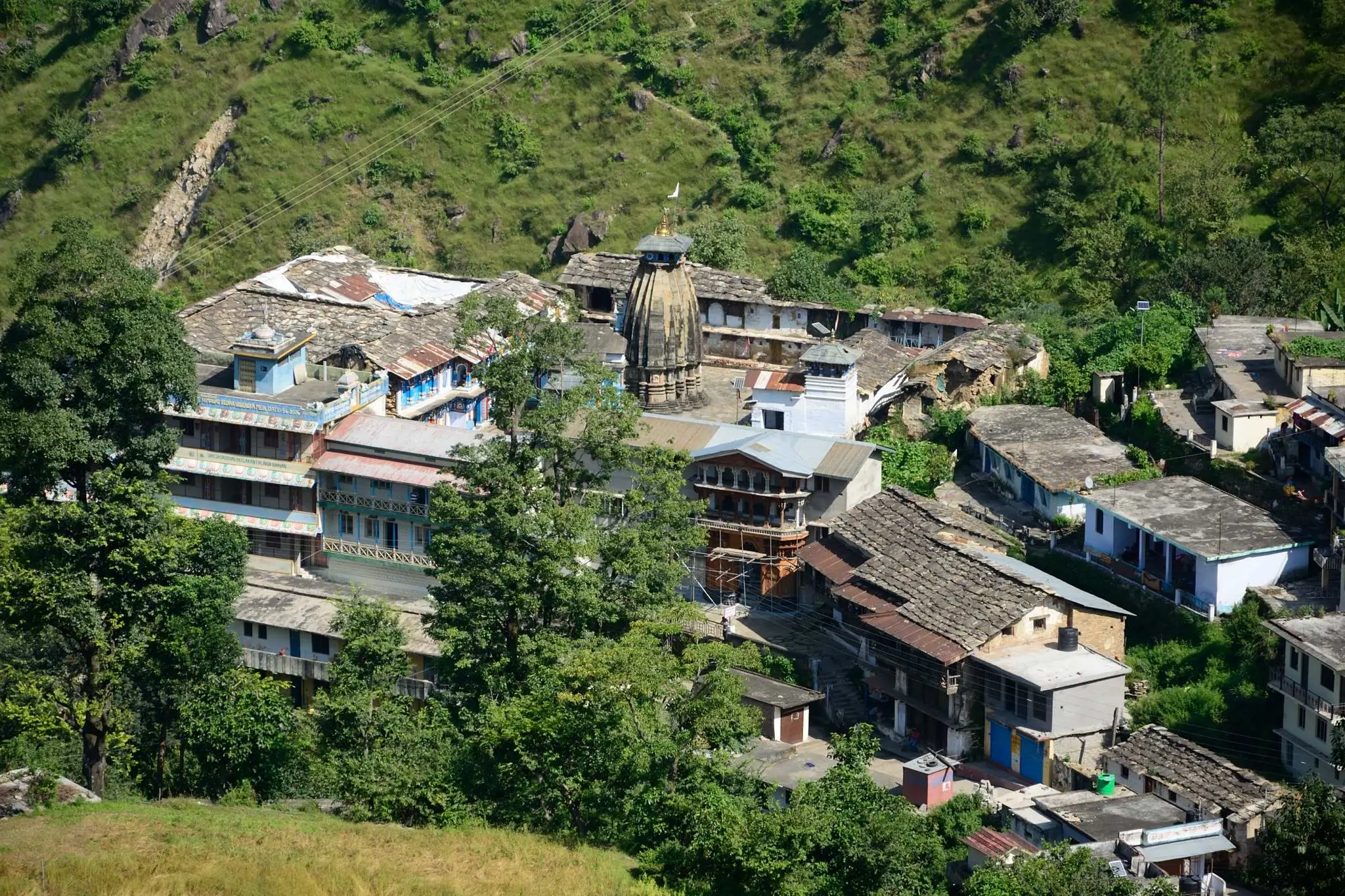
Nestled quietly in the mountain town of Ukhimath in the Rudraprayag district of Uttarakhand, Omkareshwar Temple is one of the most spiritually significant yet underappreciated shrines in the Garhwal Himalayas. This ancient temple is not merely a local Shiva shrine. It is the official winter seat of Lord Kedarnath, one of the twelve sacred Jyotirlingas of India and the most revered of the Char Dham temples.
Each year, when Kedarnath Temple closes due to heavy snowfall, the utsav murti (processional idol) of Lord Kedarnath is ceremonially brought to Omkareshwar Temple in Ukhimath. The true power of Ukhimath is felt in the first week of November, when Kedarnath closes; the idol travels on a palanquin (Doli) carried by barefoot devotees. During this period, darshan at Omkareshwar Mandir is considered spiritually equivalent to visiting Kedarnath itself, without the high-altitude trek.
If you want to witness the Vigraha (spirit) of Kedarnath arriving, be at the temple gates on the third day after Bhai Dooj. The local energy and the arrival of the Rawal (Chief Priest) provide a level of spiritual friction that no summer visit can match.
For pilgrims undertaking the Chardham Yatra, the Panch Kedar Yatra, or exploring sacred Garhwal circuits, Omkareshwar Temple is not optional. It is foundational.
Omkareshwar Temple Ukhimath – At a Glance
| Detail | Information |
|---|---|
| Location | Ukhimath, Rudraprayag District |
| Altitude | Approx. 1,311 metres |
| Significance | Winter seat of Kedarnath |
| Associated Circuit | Panch Kedar & Chardham |
| Temple Timings | 5:00 AM – 12:00 PM & 4:00 PM – 9:00 PM |
| Open Season | Year-round |
| Best Time to Visit | November–April (winter seat period) |
| Distance from Rudraprayag | 41 km |
| Distance from Chopta | 22 km |
Insight: Unlike Kedarnath at 3,583 metres, Omkareshwar Temple is accessible throughout the year.
Historical and Mythological Significance
The spiritual roots of Omkareshwar Temple are inseparable from the mythology of the Panch Kedar, the five sacred Shiva shrines of Garhwal:
- Kedarnath Temple
- Tungnath Temple
- Rudranath Temple
- Madhyamaheshwar Temple
- Kalpeshwar Temple
According to legend, after the Kurukshetra war, the Pandavas sought forgiveness from Lord Shiva. Shiva, unwilling to forgive them easily, took the form of a bull and disappeared into the earth. Different parts of the bull’s body emerged at five locations, forming the Panch Kedar shrines.
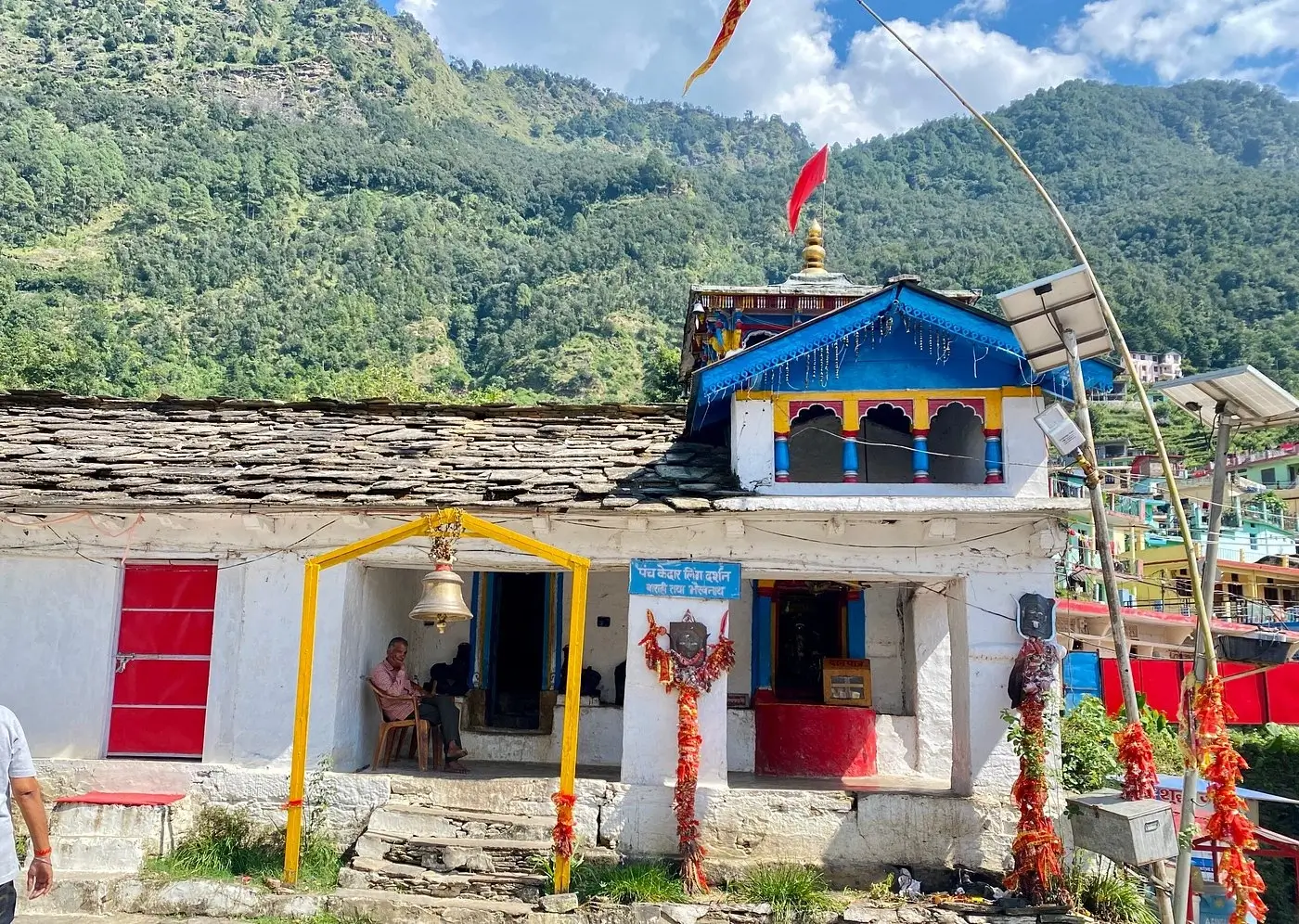
Ukhimath holds further mythological significance. It is believed to be the place where Usha (daughter of Banasura) married Aniruddha (grandson of Lord Krishna). Their idols are enshrined within the Omkareshwar Temple complex, making this temple a rare confluence of Shaiva and Vaishnava traditions. The temple is traditionally associated with Adi Shankaracharya, who revitalised Himalayan pilgrimage routes in the 8th century.
Insight:
- Omkareshwar is not just for Kedarnath. It is the winter home for Madmaheshwar as well.
- Inside the temple courtyard, there are five distinct sanctums. Look for the small brass idols of the "Panch Kedar". Tradition dictates that if you cannot complete the gruelling 5-temple trek, offering a single lamp here during the winter months (Dec–Feb) is the recognised spiritual "shortcut" to completing the circuit.
Why Omkareshwar Temple is the Winter Abode of Kedarnath?
Understanding this tradition is central to appreciating Omkareshwar Temple’s importance.
Kedarnath Temple sits at 3,583 metres and becomes inaccessible during winter. Each year in late October or early November:
- Kedarnath Temple closes after ceremonial rituals.
- The utsav murti is carried in a grand procession.
- The idol travels via Gaurikund and Sonprayag.
- It is installed at Omkareshwar Temple, Ukhimath.
For six months, from November to April, full Vedic rituals identical to those at Kedarnath are performed here.
For elderly pilgrims, those unable to trek, winter travellers, and devotees avoiding peak summer crowds, Omkareshwar Temple provides the same spiritual merit in a far more accessible setting. Additionally, the idol of Madhyamaheshwar Temple also winters here, intensifying the temple’s sacred concentration.
Omkareshwar Temple Architecture
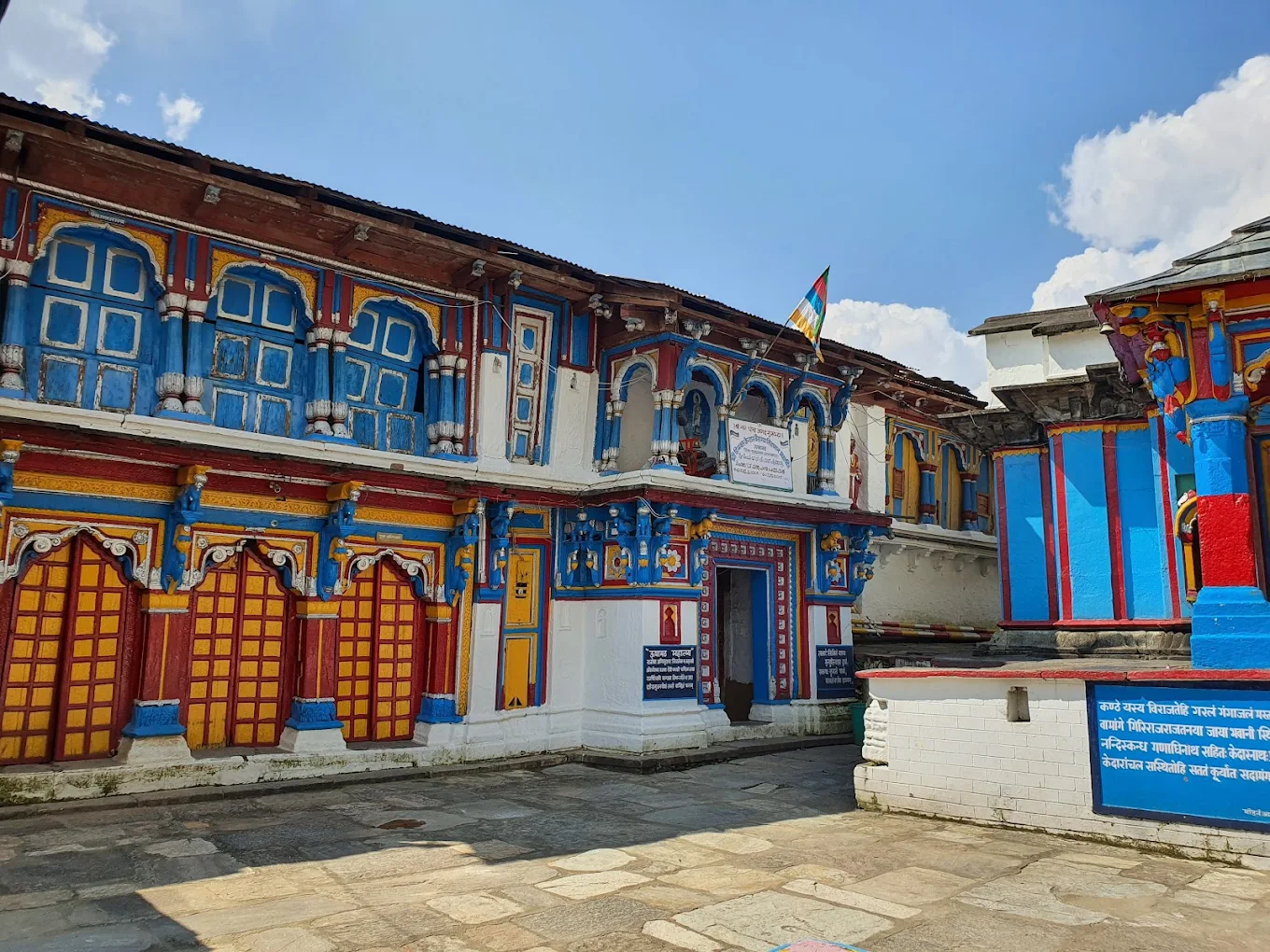
Built in the traditional North Indian Nagara style, the temple features:
- Curvilinear shikhara tower
- Stone-carved walls
- Compact sanctum
- Multiple subsidiary shrines
The main sanctum houses Lord Shiva in his Omkareshwar form. The Shivalinga is believed to be swayambhu (self-manifested).
Other shrines within the complex include:
- Goddess Parvati
- Lord Ganesha
- Usha & Aniruddha
- The Pandavas
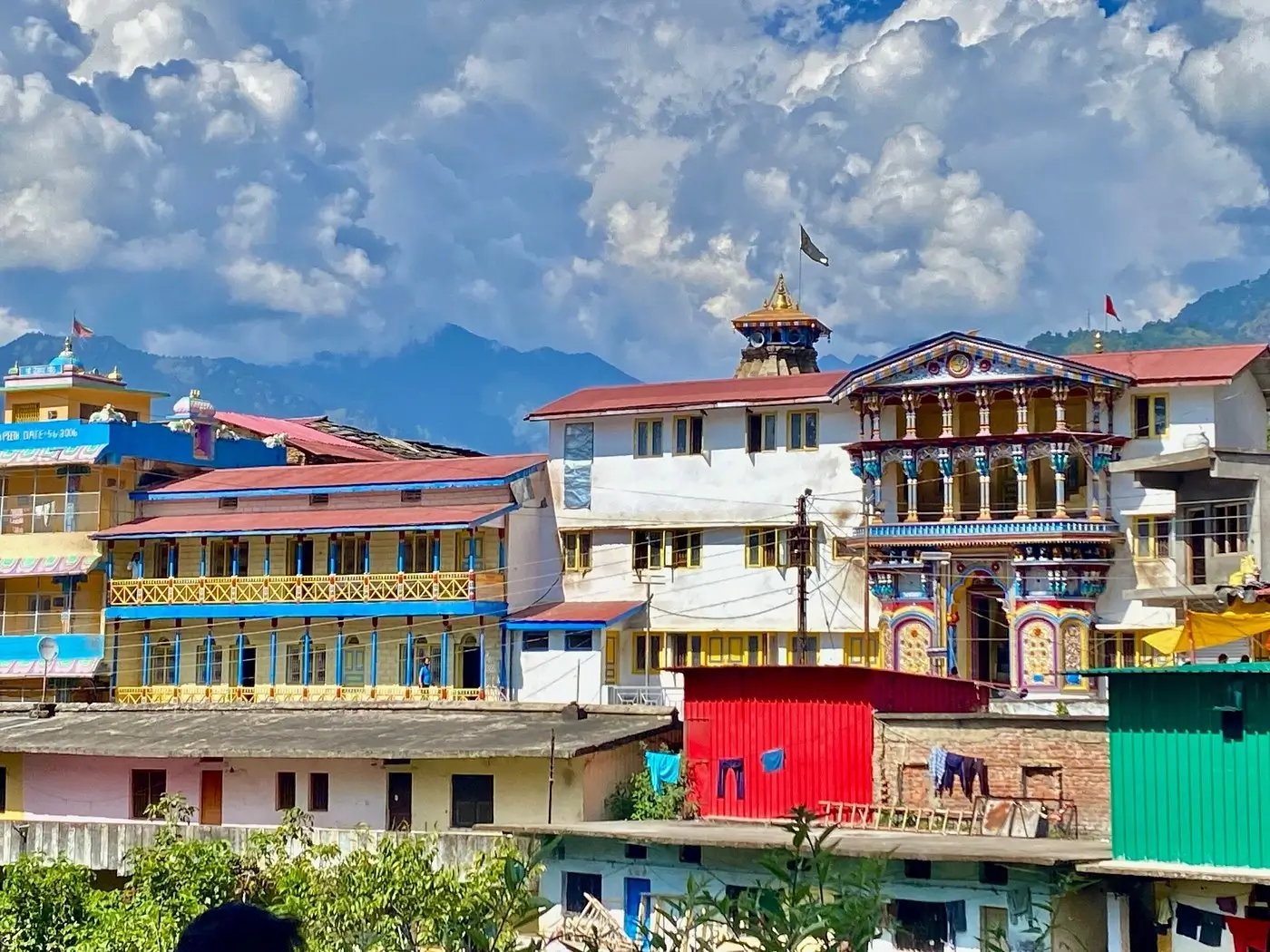
The setting enhances the experience: terraced fields, oak forests, and distant Himalayan ridges surround Ukhimath.
How to Reach Omkareshwar Temple, Ukhimath?
Koteshwar Mahadev Temple is among the most accessible cave temples in Garhwal.
By Air :
Nearest airport: Jolly Grant Airport
Distance: ~215 km
Drive time: 6–7 hours via Rishikesh and Rudraprayag.
By Train :
Nearest railway stations:
- Haridwar
- Rishikesh
Road journey from Haridwar: ~193–208 km.
By Road
Route: Rishikesh → Devprayag → Srinagar → Rudraprayag → Kund → Ukhimath
From Rudraprayag, Ukhimath is 41 km via Kund.
Distance Chart
| From | Distance | Travel Time |
|---|---|---|
| Rishikesh | ~190 km | 6 hrs |
| Haridwar | ~205 km | 6–7 hrs |
| Rudraprayag | 41 km | 1.5 hrs |
| Sonprayag | 40 km | 1.5 hrs |
| Chopta | 22 km | 45 mins |
Omkareshwar Temple Timings & Aarti
Morning:
- 5:00 AM – 12:00 PM
Evening:
- 4:00 PM – 9:00 PM
Morning Abhishek begins around 5:00 AM.
Evening Aarti around 7:00–8:00 PM.
Winter aarti (when the Kedarnath idol is present) carries exceptional spiritual intensity. There is no entry fee.
Best Time to Visit Omkareshwar Temple, Ukhimath
Winter (November–April) – Most Sacred Period
- Kedarnath idol resides here
- Snow-dusted landscape
- Deeply intimate darshan
- Fewer crowds
This is the most spiritually powerful season.
Spring (April–June)
- Departure procession of Kedarnath idol
- Beginning of Chardham Yatra
- Pleasant weather
Witnessing the return procession is a rare experience.
Summer (May–October)
- Lush green surroundings
- Ideal for combining with Chopta & Panch Kedar
- Moderate pilgrimage traffic
Monsoon (July–September)
- Heavy rainfall possible
- Landslide risk on highways
- Very peaceful darshan
Omkareshwar Temple and Panch Kedar Yatra
Omkareshwar functions as the spiritual anchor of the Panch Kedar circuit.
| Shrine | Trek Required | Distance from Ukhimath |
|---|---|---|
| Kedarnath | Yes | 40 km to Sonprayag |
| Tungnath | Yes | 22 km to Chopta |
| Madhyamaheshwar | Yes | 24 km trek from Ransi |
| Rudranath | Yes | Via Sagar village |
| Kalpeshwar | Short trek | Urgam valley |
Pilgrims unable to complete all treks still receive Panch Kedar blessings here during winter.
Nearby Attractions
| Place | Distance | Why Visit |
|---|---|---|
| Tungnath Temple | 22 km | Highest Shiva temple |
| Deoria Tal | 13 km | Himalayan reflections |
| Kedarnath Temple | 40 km | Jyotirlinga shrine |
| Kalimath Temple | 12 km | Shakti shrine |
| Kartik Swami Temple | 35 km | Hilltop temple |
Insight: A 3–4-day Garhwal circuit combining these sites is highly rewarding.
Where to Stay in Ukhimath
Accommodation options include:
- Temple dharamshalas
- Budget guesthouses
- Local homestays
- Small mid-range hotels
For wider amenities, stay in Rudraprayag.
Peak booking periods:
- May–June (Kedarnath season)
- November (winter arrival procession)
Advance reservations are recommended.
Tip: Most people stay in Guptkashi but stay in Ukhimath town itself. It is 200 m higher than Guptkashi, offering far superior views of the Kedarnath and Chaukhamba peaks at sunrise.
Essential Travel Tips
- Yatra Registration: Even though Ukhimath is on the highway, during the winter months (Nov–April), the Tourist Care Uttarakhand QR Code is still checked at the Kund Diversion.
- The road leading to the temple is narrow and one-way. Do not try to take a Tempo Traveller or large SUV to the temple gate. Park near the main Ukhimath Market and walk the last 300 metres; the local "Pahari" snacks along this walk are the best in the district.
- Plan visit during winter procession if possible
- Carry warm layers even in summer
- Withdraw cash in Rudraprayag
- Start road travel early
- Maintain decorum during winter rituals
- Combine visit with Deoria Tal & Chopta
Why Omkareshwar Temple, Ukhimath, Deserves Your Attention?
In a region crowded with famous dhams and demanding treks, Omkareshwar Temple offers something rare: proximity to divinity without physical strain. Here, Lord Kedarnath rests. Here, Panch Kedar energy converges. Here, winter darshan carries unmatched serenity.
For pilgrims undertaking Chardham, Panch Kedar, or Garhwal spiritual journeys, Omkareshwar Temple, Ukhimath, is not an extension of Kedarnath. It is Kedarnath’s winter home and a destination worthy of pilgrimage in its own right.
Dhari Devi Temple FAQs
Omkareshwar is the winter seat of Lord Kedarnath.
Yes, Omkareshwar Temple is open, and winter is the most sacred season.
Ukhimath is approximately 40 km from Sonprayag, from where the trekking path of Kedarnath starts.
Yes. Winter darshan at Omkareshwar is spiritually equivalent to Kedarnath.
No. The temple is located within Ukhimath town.
Look for dhabas serving "Jhangora ki Kheer" (barnyard millet pudding). In the biting winter of Ukhimath, this iron-rich local grain is what the priests and locals rely on for stamina.
Yes. Chopta is just 22 km away from Ukhimath.
Popular Tours
Book The Tour
Char Dham Temples
Hotels in Chardham Circuit
Char Dham Tour Packages
- Char Dham Yatra From Delhi
- Chardham Yatra From Mumbai
- Char Dham Yatra From Ahmedabad
- Chardham Tour with Hemkund Sahib
- Chardham Yatra by Helicopter
- Char Dham Yatra with Vaishno Devi & Amritsar
- Chardham Tour with Gomukh Trek
- Char Dham Packages From Bangalore
- Chardham Yatra From Chandigarh
- Char Dham Yatra with Auli
- Char Dham Yatra From Hyderabad
- Char Dham Yatra with Vaishno Devi, Jwalaji & Amritsar
- Char Dham Yatra From Chennai
- Chardham Packages From Bhopal
- Char Dham Yatra by Luxury Vehicle
- Char Dham Yatra with Satopanth Lake
- Char Dham Yatra with Panch Badri Tour
- Char Dham with Valley of Flowers
- Chardham Yatra with Mahavatar Baba and Nainital Tour
Do Dham Yatra
- Badrinath Kedarnath Yatra From Haridwar
- Badrinath Kedarnath Yatra
- Gangotri Yamunotri Yatra
- Gangotri Yamunotri Yatra from Haridwar
- Kedarnath Badrinath Yatra with Hemkund Sahib
- Kedarnath Badrinath Yatra with Valley of Flowers
- Kedarnath, Badrinathdham With Lake Of Nainital
- Yamunotri, Gangotri with Lake of Nainital
Ek Dham Yatra
- Badrinath Pilgrimage Tour
- Kedarnath Pilgrimage Tour
- Gangotri Pilgrimage Tour
- Yamunotri Pilgrimage Tour
- Kedarnath Yatra By Helicopter
- Badrinath Dham Yatra from Haridwar
- Badrinath Yatra with Hemkund Sahib
- Badrinath Yatra with Valley of Flowers
- Gangotri Dham Yatra with Gaumukh
- Kedarnath Dham Vasuki Tal Trek
