Koteshwar Mahadev Temple Rudraprayag – Complete Travel Guide
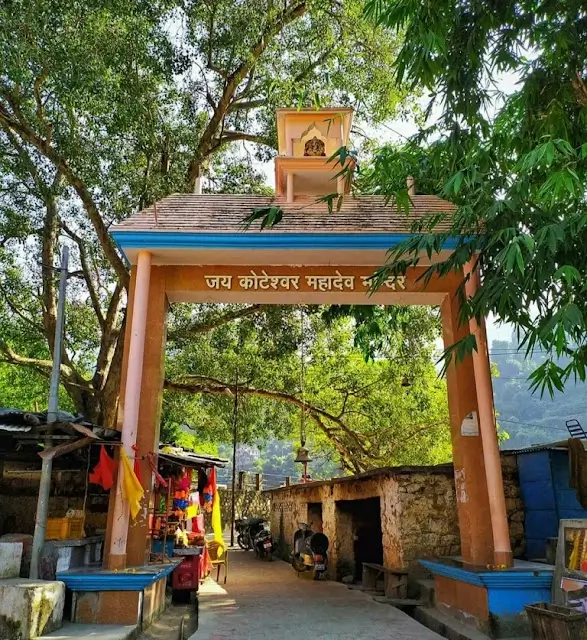
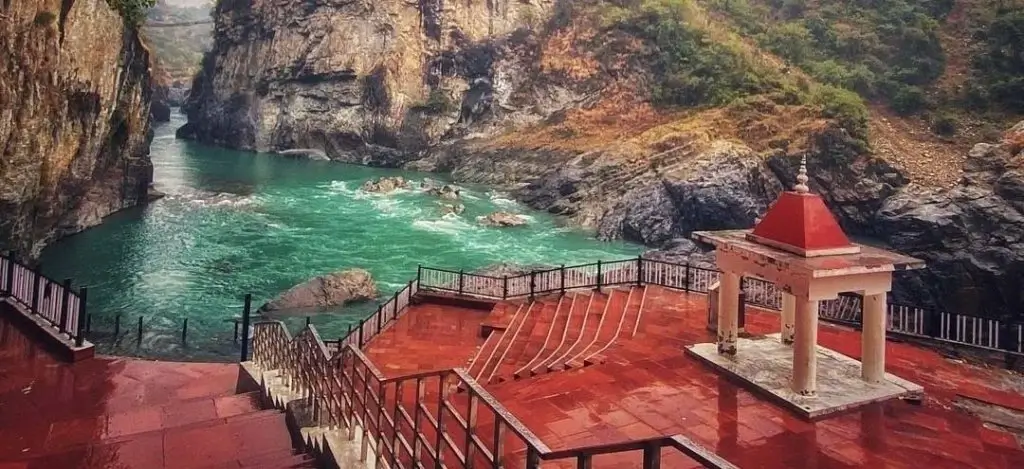
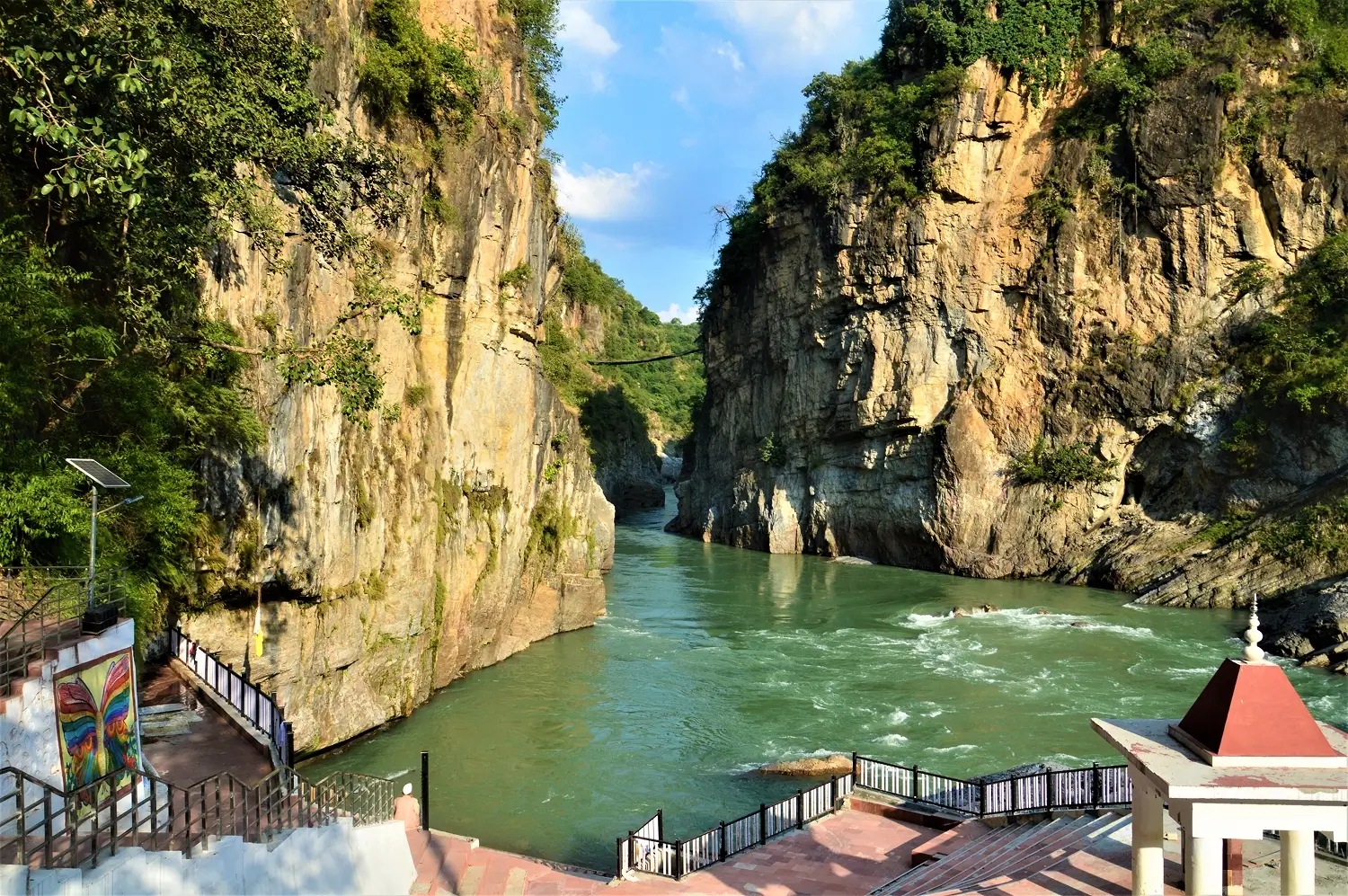
Carved into a natural limestone cave on the banks of the Alaknanda River, just 3 km from Rudraprayag, Koteshwar Mahadev Temple is one of the most ancient and spiritually powerful Shiva shrines in Garhwal.
Unlike traditional hilltop temples or constructed mandirs, Koteshwar Mahadev is a cave shrine: raw, elemental, and deeply atmospheric. The sound of the Alaknanda flowing beside the cave, the cool interior rock chambers, and the presence of multiple natural Shivalingas give this temple an experience unlike any other in Uttarakhand.
For pilgrims travelling toward Kedarnath Temple, Koteshwar Mahadev is not a detour. It is considered an essential spiritual stop.
Koteshwar Mahadev Temple – At a Glance
| Detail | Information |
|---|---|
| Location | 3 km from Rudraprayag town |
| Distance | Rudraprayag |
| Altitude | Alaknanda River |
| Temple Type | Natural cave temple |
| Deity | Lord Shiva (Koteshwar Mahadev) |
| Open Season | Year-round |
| Temple Timings | 6:00 AM – 8:00 PM |
| Best Time to Visit | October–June |
The name “Koteshwar” combines:
- Koti – countless
- Ishwar – Lord
Meaning : “Lord of Countless Manifestations".
Mythology and Sacred Legend of Koteshwar Mahadev
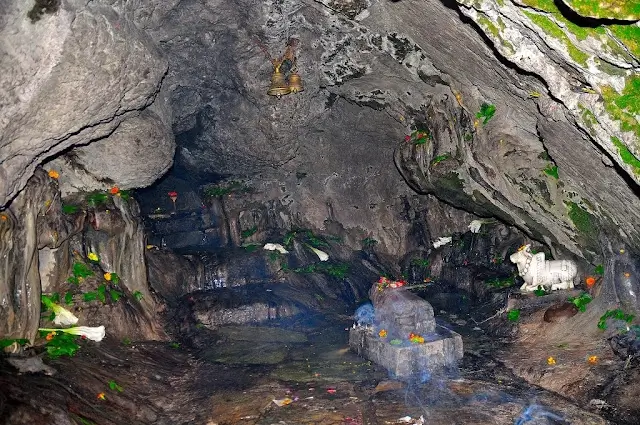
The temple’s spiritual foundation is deeply linked to Lord Shiva’s journey from Kashi to Kedarnath. According to Garhwali tradition, Shiva paused at this riverside cave during his ascent toward Kedarnath. Here, he entered deep meditation inside the natural cave chambers.
Local belief holds that during this meditation, Shiva manifested in countless forms within the cave, giving rise to the name Koteshwar. The natural rock formations inside the cave resemble multiple Shivalingas, considered swayambhu (self-manifested), and are worshipped as direct evidence of Shiva’s presence.
A second layer of mythology connects Koteshwar to the Pandavas. After the Mahabharata war, the Pandavas sought Shiva’s forgiveness. During their pursuit across Garhwal, they are believed to have passed through this cave before Shiva ultimately manifested at Kedarnath.
This layered mythology places Koteshwar Mahadev within the larger sacred narrative of:
- Panch Kedar
- Kedarnath Yatra
- Shiva’s Himalayan journey
Insight : Local lore specifically identifies this cave as the spot where Shiva hid from the demon Bhasmasura. Look for the narrow crevices in the cave ceiling. Devotees believe Shiva transformed into a tiny form to hide here before Lord Vishnu intervened as Mohini. This makes Koteshwar a "shrine of protection" rather than just a place of rest.
The Sacred Cave and Temple Architecture
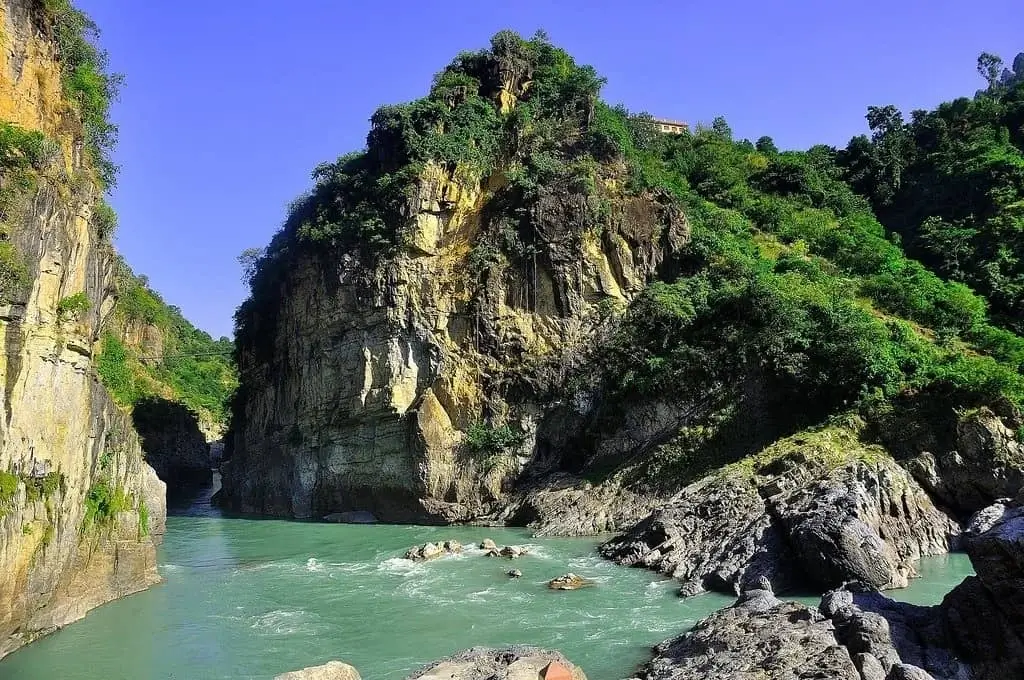
Koteshwar Mahadev Temple is unique because it is not constructed; it is inhabited.
The temple complex consists of:
- Natural limestone cave
- Multiple naturally formed Shivalingas
- Main sanctum housing principal Koteshwar Mahadev
- Outer stone temple façade
The cave extends into the cliff face along the Alaknanda. Inside:
- Narrow rock chambers
- Mineral-formed linga shapes
- Moist cave walls
- Echoing acoustics during aarti
The cave interior remains cool throughout the year. The outer temple entrance follows traditional Garhwali stone architecture, marking the transition from riverbank to sacred cave. Few Shiva temples in Uttarakhand offer this immersive geological setting.
Koteshwar Mahadev and Kedarnath Yatra Connection
Koteshwar Mahadev holds a living role in the Kedarnath pilgrimage tradition. Many Garhwali priests maintain that a Kedarnath Yatra is spiritually incomplete without darshan at Koteshwar.
The theological reasoning is simple and sensible. Since Shiva rested here on his way to Kedarnath, the pilgrim who pauses at Koteshwar retraces the divine route.
Pilgrims typically visit Koteshwar before ascending to Kedarnath or after returning from Kedarnath. Both traditions are considered equally auspicious. Located near the Rudraprayag Confluence, one of the Panch Prayag, this temple multiplies its spiritual significance.
How to Reach Koteshwar Mahadev Temple?
Koteshwar Mahadev Temple is among the most accessible cave temples in Garhwal.
By Air :
Nearest airport: Jolly Grant Airport
Distance: Approx. 185 km
Drive time: 5–6 hours via Rishikesh and Devprayag.
By Train :
Nearest railway stations:
- Haridwar – 157 km
- Rishikesh – 142 km
Private taxis and buses run daily toward Rudraprayag.
By Road
Route: Rishikesh → Devprayag → Srinagar → Rudraprayag
From Rudraprayag town, Koteshwar Temple is just 3 km via a well-maintained local road.
Local autos, shared jeeps, and taxis are easily available.
Distance Chart
| From | Distance | Travel Time |
|---|---|---|
| Rishikesh | 142 km | 4–5 hrs |
| Haridwar | 157 km | 4.5–5 hrs |
| Srinagar (Garhwal) | 34 km | 1 hr |
| Rudraprayag | 3 km | 10 mins |
| Kedarnath Route (Sonprayag) | 70 km | 2.5 hrs |
Koteshwar Mahadev Temple Timings & Aarti
- Opening Time: 6:00 AM
- Closing Time: 8:00 PM
- Morning Puja: 6:00 AM onwards
- Evening Aarti: Around 7:00 PM
The evening aarti inside the Koteshwar cave is particularly atmospheric. The sound of bells reverberates against the cave walls while the Alaknanda roars outside. There is no entry fee. Donations are voluntary.
Best Time to Visit Koteshwar Mahadev Temple
Summer (April–June)
- Peak Kedarnath Yatra season
- Pleasant valley weather
- Steady pilgrim movement
Ideal for combining with Chardham.
Monsoon (July–September)
- River at full force
- Dramatic cave atmosphere
- Possible highway disruptions
Check road conditions before travel.
Autumn (October–November)
- Clear skies
- Balanced river flow
- Fewer crowds
Many experienced travellers prefer October.
Winter (December–March)
- Quietest season
- Deep solitude inside cave
- The temple remains open year-round
Unlike Kedarnath, Koteshwar is accessible even in winter.
Insight: During the pre-monsoon melt (May-June), the sound of the Alaknanda inside the cave is a deafening roar that vibrates through the floor. For a meditative, silent experience, visit Koteshwar in October or November when the river recedes, revealing "Swayambhu" (self-manifested) stones on the cave floor that are submerged during the summer.
Nearby Attractions
Koteshwar Mahadev pairs naturally with several sacred Garhwal sites.
| Attraction | Distance | Why Visit |
|---|---|---|
| Rudraprayag Confluence | 3 km | Panch Prayag site |
| Dhari Devi Temple | 19 km | Guardian deity of Chardham |
| Kalimath Temple | 20 km | Major Shakti shrine |
| Omkareshwar Temple, Ukhimath | 41 km | Winter seat of Kedarnath |
| Kartik Swami Temple | 35 km | Hilltop temple with panoramic views |
Insight : A 2–3-day Rudraprayag spiritual circuit can comfortably include these.
Where to Stay Near Koteshwar Mahadev Temple?
Best base: Rudraprayag town.
Options include:
- Budget dharamshalas
- Mid-range hotels
- River-facing guesthouses
Facilities available in Rudraprayag:
- ATMs
- Medical services
- Restaurants
- Transport hubs
Peak booking months:
- May–June (Kedarnath season)
Advance reservation recommended. /p>
Essential Travel Tips
- The area around Rudraprayag is currently part of the All-Weather Road and Railway Tunnel project.
- Expect intermittent traffic diversions on the 3 km stretch from Rudraprayag town to the temple.
- If the main road is congested, park near the Rudraprayag Sangam and take the narrow riverside walking path; it’s a 25-minute walk that offers the most scenic approach to the cave.
- While the temple has basic electric lighting, it frequently fails during mountain thunderstorms. Carrying a small headlamp or torch. It allows you to see the natural "Koti" (countless) stalactite formations on the inner roof that the main yellow bulbs don't reach.
- Combine Koteshwar travel with Rudraprayag confluence visit
- Visit during morning or evening aarti
- Carry a small torch for deeper cave chambers
- Wear modest clothing
- Withdraw cash in Rudraprayag
- Exercise caution during monsoon
Travellers often underestimate the cave’s darkness — a small flashlight enhances the experience.
Why Koteshwar Mahadev Temple Completes the Kedarnath Journey?
Garhwal is filled with sacred shrines. But Koteshwar Mahadev stands apart. This is not a temple built to house divinity. It is a cave where divinity is believed to have rested. Standing inside the cave, hearing the Alaknanda rush past, one understands why this place endured as sacred long before structured pilgrimage circuits existed.
For Kedarnath pilgrims, Koteshwar is the pause before ascent or the gratitude after return. It is Shiva’s riverside meditation chamber, accessible, ancient, and unforgettable.
Dhari Devi Temple FAQs
Not officially, but it is spiritually connected to Kedarnath.
No. The temple is accessible by road.
Yes, it remains open year-round.
Approximately 70 km to Sonprayag (road distance).
It is a natural cave temple with multiple swayambhu Shivalingas.
Popular Tours
Book The Tour
Char Dham Temples
Hotels in Chardham Circuit
Char Dham Tour Packages
- Char Dham Yatra From Delhi
- Chardham Yatra From Mumbai
- Char Dham Yatra From Ahmedabad
- Chardham Tour with Hemkund Sahib
- Chardham Yatra by Helicopter
- Char Dham Yatra with Vaishno Devi & Amritsar
- Chardham Tour with Gomukh Trek
- Char Dham Packages From Bangalore
- Chardham Yatra From Chandigarh
- Char Dham Yatra with Auli
- Char Dham Yatra From Hyderabad
- Char Dham Yatra with Vaishno Devi, Jwalaji & Amritsar
- Char Dham Yatra From Chennai
- Chardham Packages From Bhopal
- Char Dham Yatra by Luxury Vehicle
- Char Dham Yatra with Satopanth Lake
- Char Dham Yatra with Panch Badri Tour
- Char Dham with Valley of Flowers
- Chardham Yatra with Mahavatar Baba and Nainital Tour
Do Dham Yatra
- Badrinath Kedarnath Yatra From Haridwar
- Badrinath Kedarnath Yatra
- Gangotri Yamunotri Yatra
- Gangotri Yamunotri Yatra from Haridwar
- Kedarnath Badrinath Yatra with Hemkund Sahib
- Kedarnath Badrinath Yatra with Valley of Flowers
- Kedarnath, Badrinathdham With Lake Of Nainital
- Yamunotri, Gangotri with Lake of Nainital
Ek Dham Yatra
- Badrinath Pilgrimage Tour
- Kedarnath Pilgrimage Tour
- Gangotri Pilgrimage Tour
- Yamunotri Pilgrimage Tour
- Kedarnath Yatra By Helicopter
- Badrinath Dham Yatra from Haridwar
- Badrinath Yatra with Hemkund Sahib
- Badrinath Yatra with Valley of Flowers
- Gangotri Dham Yatra with Gaumukh
- Kedarnath Dham Vasuki Tal Trek
